Why Are There Two Kinds of Steel Coils in the First Place?
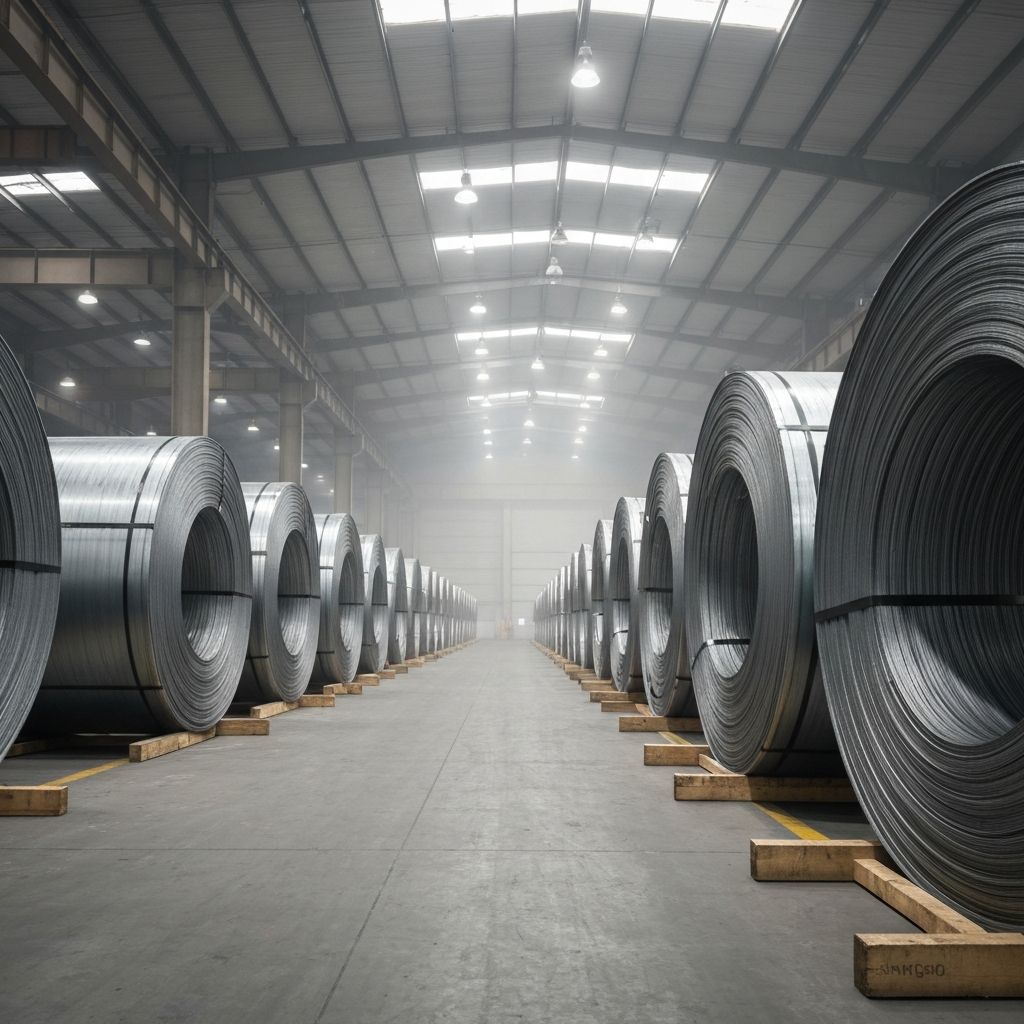
Steel can be processed in different ways depending on what you need it to do. Some projects require raw strength and toughness. Others require clean surfaces, tight tolerances, and a smooth finish. One coil can't do everything, so the industry relies on two main categories: hot rolled and cold rolled.
Hot rolling is all about performance under heavy loads.
Cold rolling is all about precision and accuracy.
Each process creates a coil with its own strengths and limitations—and choosing the wrong one can lead to expensive mistakes or failed parts.
Hot Rolled Steel (HR): Built for Strength and Heavy Work
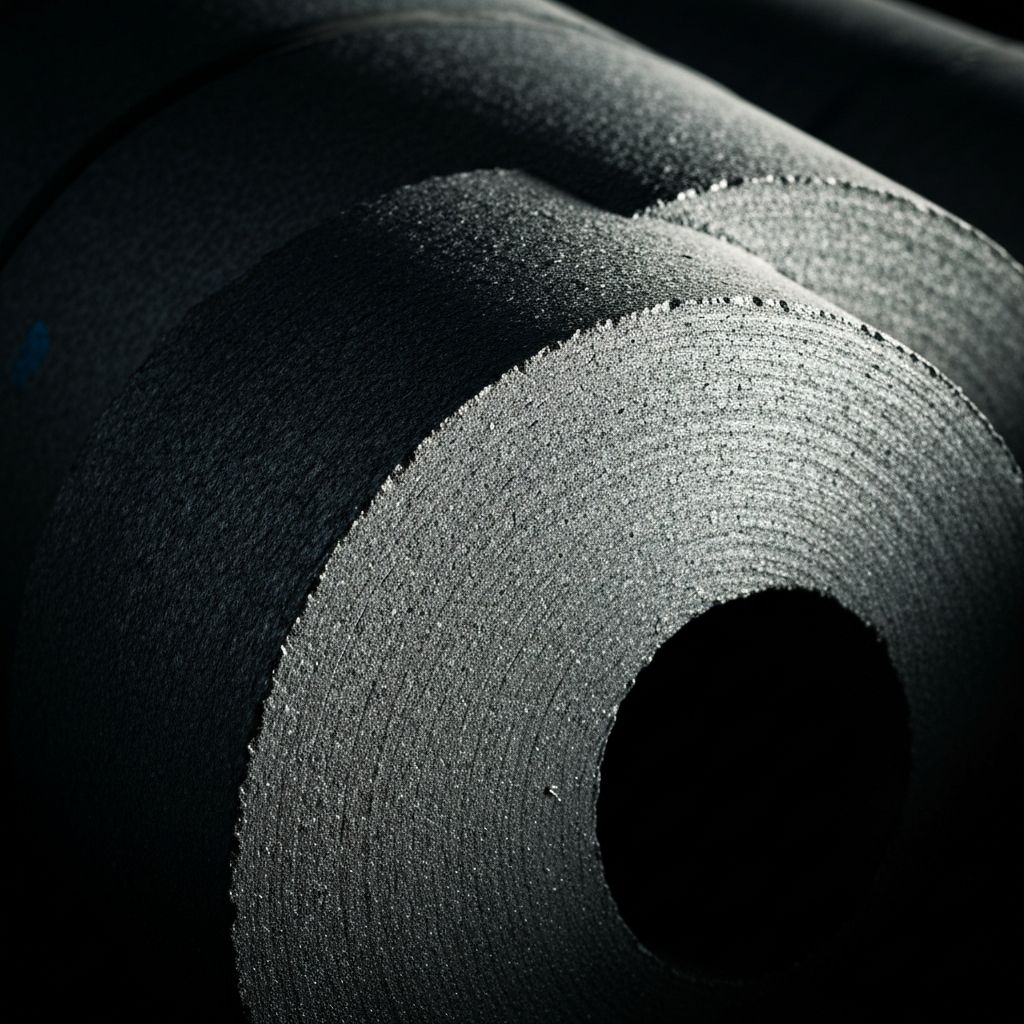
Hot rolled steel is processed at extremely high temperatures, making it easy to shape into thick, strong sheets and coils. When steel is hot rolled, it isn't concerned with perfect edges or flawless surfaces—it's built for power.
Where HR Steel Is Best:
- Structural frames
- Heavy fabrication
- Machinery bases
- Brackets, supports, and welded components
- Projects where appearance doesn't matter, but strength does
Key Characteristics of HR Steel:
- Rougher surface: Because it cools in open air, the finish is slightly textured.
- Not perfectly precise: Edges, thickness, and dimensions are strong but not exact.
- Tough and durable: Handles bending, welding, and heavy loads extremely well.
Hot rolled steel is the first choice when you need something that works hard, holds weight, and stays reliable in industrial environments. It's the rugged, no-nonsense coil that builders trust when performance comes first.
Cold Rolled Steel (CR): Made for Precision and Smooth Finishes
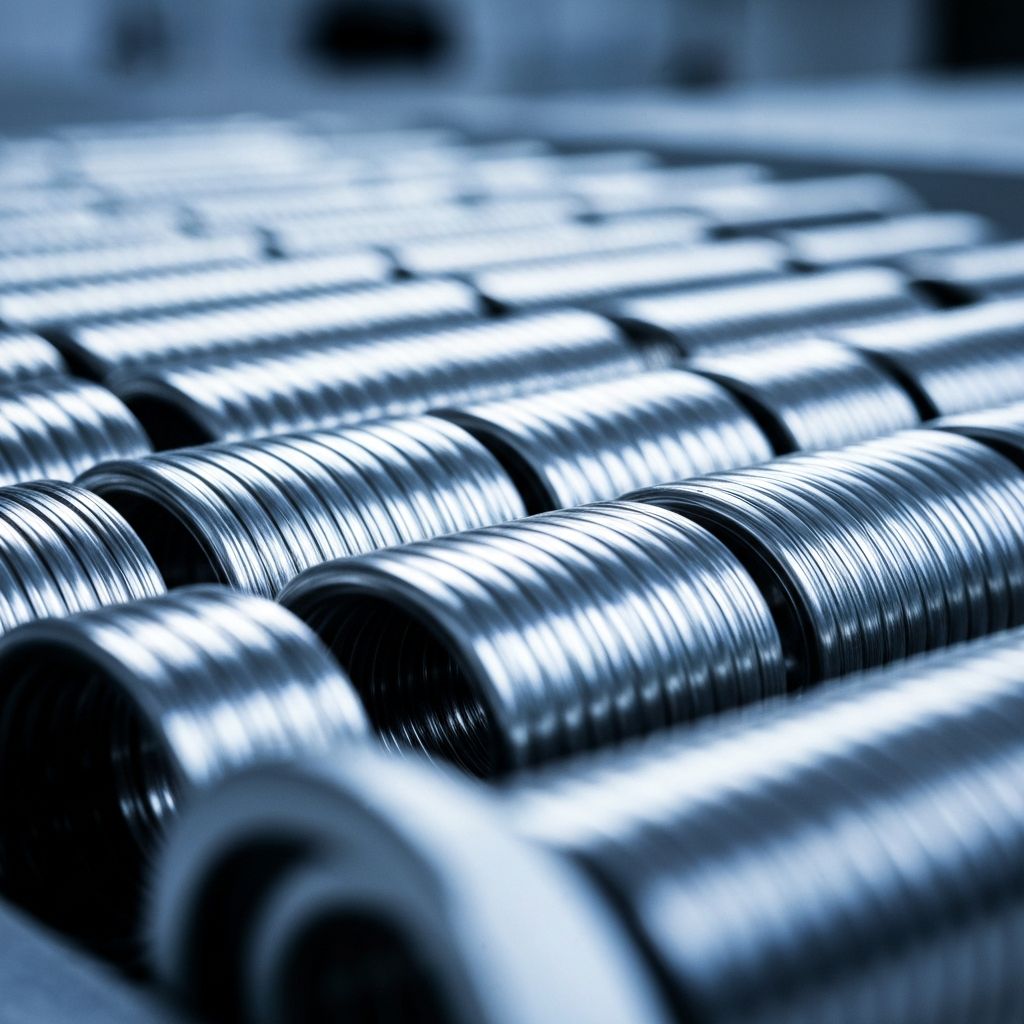
Cold rolled steel starts as hot rolled steel—but then it gets processed again at room temperature through rollers that squeeze it into a tighter, more exact form. This extra step transforms the material completely.
Where CR Steel Is Best:
- Precision fabrication
- Metal cabinets, shelves, and enclosures
- Automotive body parts
- Appliances and machinery covers
- Any product needing smooth, clean surfaces
Key Characteristics of CR Steel:
- Smooth, clean finish: Almost shiny compared to HR.
- High dimensional accuracy: Perfect thickness, flatness, and edges.
- Stronger after processing: Because it's compressed and hardened during rolling.
Cold rolled steel is the preferred choice when the final product must look professional, fit perfectly, and feel refined. It's all about quality appearance and exact measurements.
The Wrong Choice Can Cause Big Problems
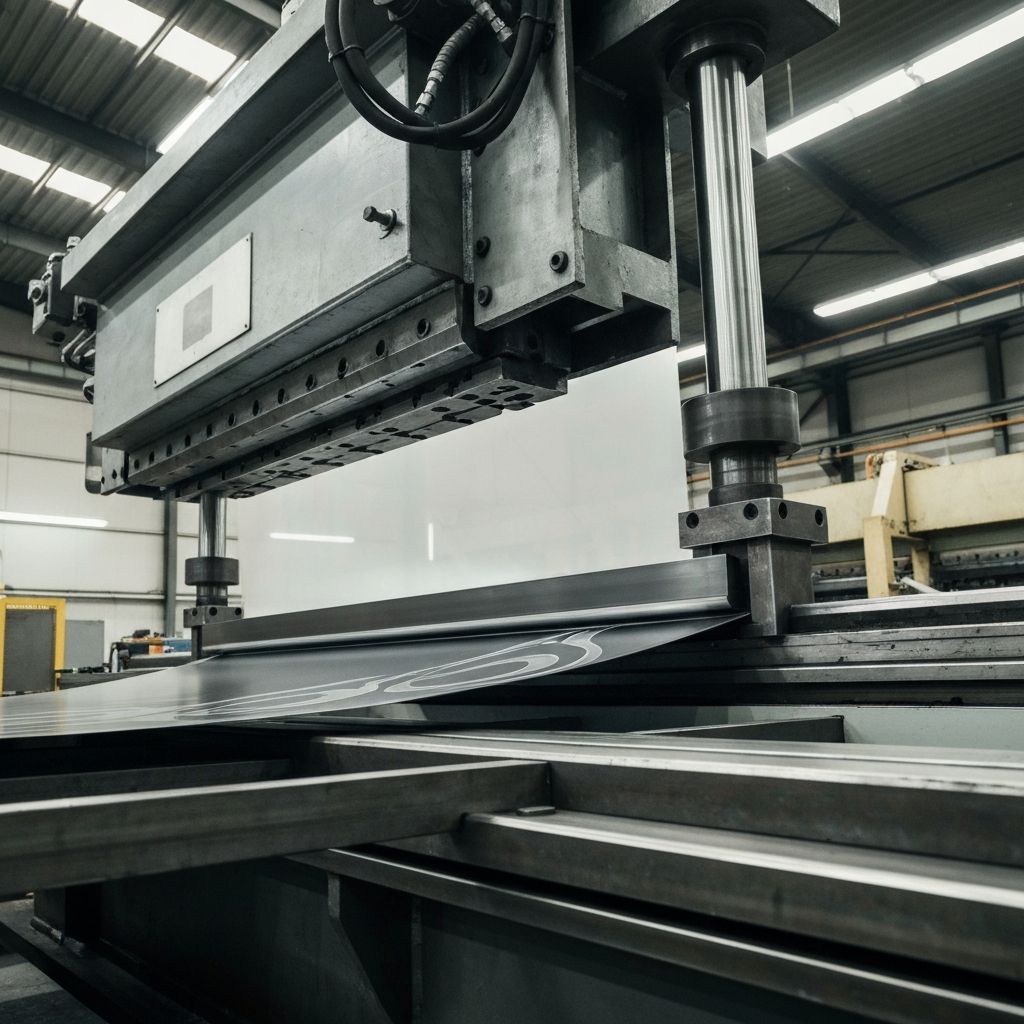
Using HR where CR is needed—or vice versa—can lead to more than just cosmetic issues.
Problems with Using HR Instead of CR:
- Poor surface appearance
- Fitment issues due to uneven thickness
- Visible texture that can't be painted smoothly
- Difficulty achieving tight tolerances
Problems with Using CR Instead of HR:
- Higher cost when the precision isn't necessary
- Potential cracking when bending thicker CR sheets
- Overkill for structural or hidden components
Just like using the wrong rebar size weakens concrete, using the wrong coil type weakens the project.
So When Should You Use HR and When Should You Use CR?
Think of it like choosing between work boots and dress shoes.
Use HR when strength, weldability, and durability matter most.
Frames, beams, heavy supports, brackets, machinery parts—HR shines here.
Use CR when precision, appearance, and clean finishing matter.
Cabinets, panels, covers, automotive parts, and anything customers will see or touch.
Both are essential, but they belong in different jobs.